Bike Commute Without Showing Up Sweaty: A Practical Guide
 Derek Clark · · Updated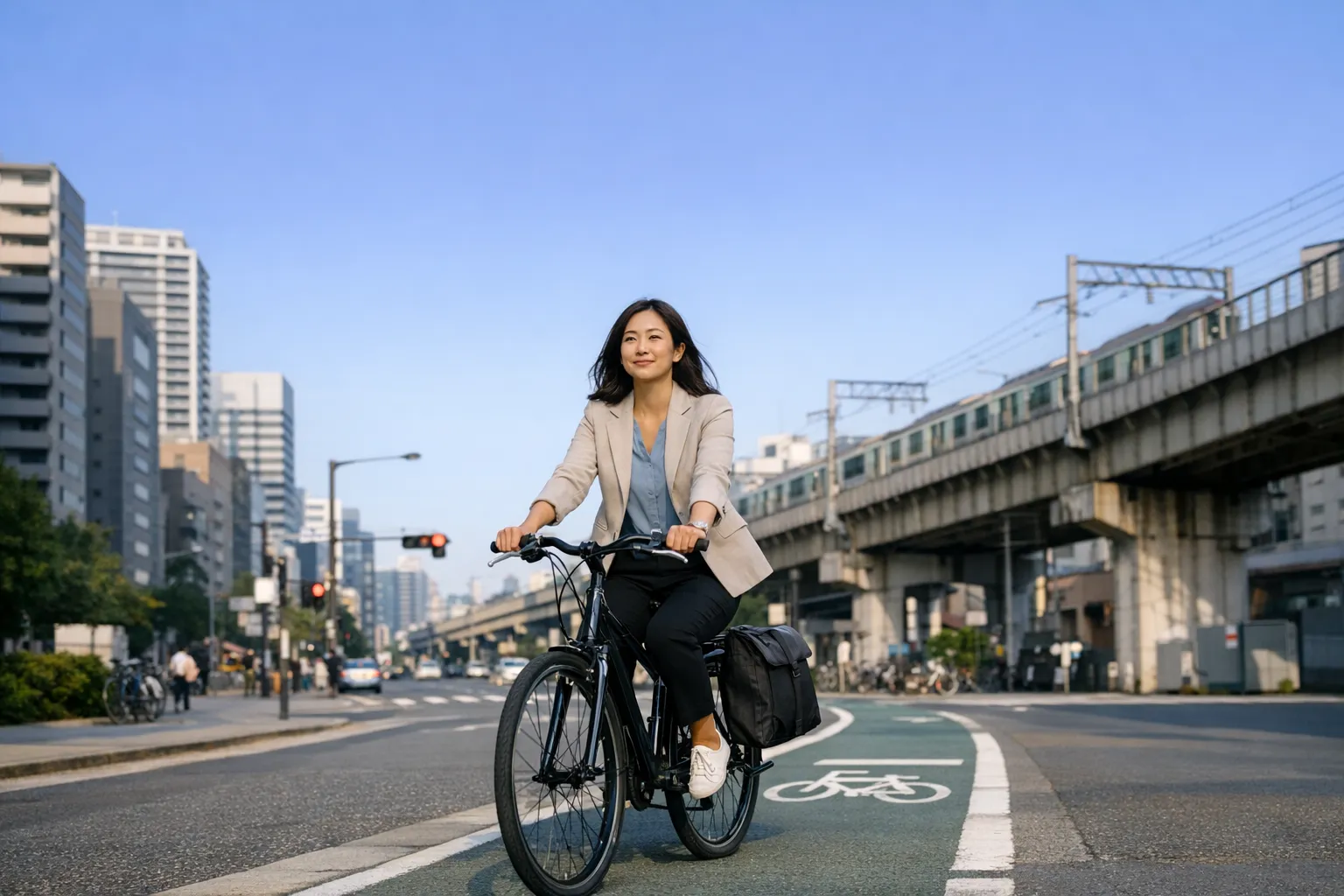
The single biggest reason people give up on bike commuting isn’t traffic or distance. It’s the dread of rolling into the office looking like they just finished a spin class. The good news? Showing up fresh is almost entirely about technique, not fitness. You don’t need to be a faster rider. You need to be a smarter one.
Here’s the part that surprises new commuters most: the easiest way to stay dry is to ride slower than feels natural. Once you understand why your body sweats in the first place, the rest of the tactics below click into place.
Why You Sweat (and Why That’s Actually Fixable)
Your body holds a steady internal temperature, and sweat is how it keeps from overheating. When you work hard, sensors in your brain tell your sweat glands to release fluid onto your skin. That fluid then evaporates, and the evaporation is what actually cools you. According to the Cleveland Clinic’s explainer on sweat, sweat itself doesn’t cool you down. Evaporation does.
That’s the key insight for commuters. Sweating is a response to a rising core temperature, and your core temperature rises when you put out more effort than your body can shed heat from. Keep the effort low enough, and you stay below the point where your body needs to dump heat. Cyclists call this riding below your “sweat threshold,” and learning where yours sits is the whole game.
Tactic 1: Pace Yourself Like You’re in No Hurry
This is rule number one, and it does more work than every other tip combined. On a commute, you are not training. There’s no medal for a fast time and no reason to redline.
Ride at a pace where you could hold a relaxed conversation. Your breathing should stay easy and your legs should feel like they’re spinning, not grinding. If you’re starting to breathe hard, you’re going too fast for a sweat-free arrival.
A few ways to keep effort in check:
- Spin in an easier gear with a higher cadence instead of mashing a hard gear.
- On flats, settle into a steady, gentle rhythm rather than chasing every green light.
- Ease off completely for the last five to ten minutes so your body temperature starts dropping before you arrive.
That last point matters. Your core temperature keeps climbing for a bit even after you slow down, so giving yourself a cool-down stretch at the end lets your skin dry before you walk inside.
Tactic 2: Leave Earlier and Bake In Buffer Time
Sweat is usually a symptom of being in a rush. When you’re running late, you push harder, and pushing harder is exactly what spikes your core temperature.
Build in extra time so you never feel pressure to hammer. Even an extra ten minutes changes everything, because it lets you take the easy pace from Tactic 1 without stressing about the clock. A relaxed rider who left early will arrive far drier than a fit rider who left at the last second.
Tactic 3: Choose Routes and Timing That Work With You
Not every road is equal when it comes to staying cool.
Avoid the big climbs. Hills are sweat machines because they force a sustained, high effort with no chance to coast. If a slightly longer, flatter route exists, take it. The extra distance at low effort beats a short, steep grind every time.
Hunt for shade. Tree-lined streets and covered paths keep direct sun off you, which keeps your skin and core temperature lower. A shaded route can feel noticeably cooler than an exposed one.
Mind the clock in summer. Heat and humidity both make it harder for sweat to evaporate, so the same effort feels hotter on a muggy afternoon than a cool morning. When you can, commute during the cooler parts of the day.
One reassuring note for warm-weather riders: your body adapts. The CDC’s guidance on heat acclimatization explains that with repeated exposure to heat over a week or two, you sweat more efficiently and handle the same workload with a lower core temperature. The first hot rides of the season are the worst. It genuinely gets easier.
Tactic 4: Dress for the Arrival, Not the Ride
What you wear has a huge effect on how dry you feel when you get there.
Use a moisture-wicking base layer. Cotton soaks up sweat and stays clammy against your skin. Synthetic fabrics like polyester or natural merino wool pull moisture away and dry faster, so even if you do warm up, you don’t feel soaked. The team at REI recommends moisture-wicking layers for commuting for exactly this reason.
Ditch the backpack. A pack pressed against your back blocks airflow and traps heat right where it builds up most, leaving you with the classic sweaty-back stripe. Carry your stuff in panniers on a rear rack or in a basket instead, and let the breeze do its job.
Carry your work clothes, don’t wear them. Ride in light, breathable gear and pack your office outfit (rolled, not folded, to limit wrinkles). Changing when you arrive is the fastest way to feel instantly put together.
Tactic 5: Freshen Up When There’s No Shower
Most workplaces don’t have a shower, and you don’t need one. A short, easy-paced commute usually leaves very little to clean up, and a few minutes in a restroom handles the rest.
A simple post-ride kit covers almost everyone:
- Wipes. Body wipes or baby wipes clean your face, neck, and underarms in seconds. Keep a pack in your bag and toss them when you’re done.
- A small towel. Wipe down any lingering moisture before you change.
- Deodorant. Reapply after you wipe down, not before.
- A dry change of clothes. This is the biggest upgrade of all. Getting out of your ride layer and into something clean resets how you feel completely.
Give yourself a couple of minutes to fully cool down before you change, too. If you change while you’re still radiating heat, you’ll just sweat into your fresh shirt.
Tactic 6: Consider an E-Bike
If your route has unavoidable hills, a long distance, or you simply hate arriving warm, a pedal-assist e-bike is the closest thing to a cheat code. The motor takes the spikes out of your effort, which keeps your core temperature, and your sweat, in check.
And no, it’s not “cheating” your health. A study comparing energy use on e-bikes versus regular bikes found that pedaling an e-bike uses roughly 24% less energy, yet the effort still reaches a moderate-intensity level that counts toward your weekly activity. You get a real workout with far less of the heat buildup that soaks your shirt.
Putting It Together
You don’t have to nail all six tactics on day one. Start with pacing, because it’s the one that matters most, then layer in the others as you settle into a routine. Leave a little early, take the shadier flat route, wear something that wicks, and keep a change of clothes and a few wipes at your desk. That combination handles the vast majority of commutes without a drop showing.
If you want to track your effort and find the relaxed pace that keeps you dry, a tracker can help you spot where your sweat threshold sits. Vima Bike logs your speed and route so you can compare an easy morning ride to a hard one and dial in the version that gets you to work fresh. If you’re still building your setup, our roundup of the best biking apps for 2026 is a good place to start.
FAQ
How slow do I actually need to ride to avoid sweating?
Slow enough to hold a relaxed conversation without getting winded. There’s no exact speed, because it depends on your fitness, the terrain, and the weather. The reliable test is your breathing: if it stays easy and you never feel like you’re pushing, you’re in the right zone. Most new commuters are surprised by how gentle that pace feels.
What if my commute has a big hill I can’t avoid?
Climb it in the easiest gear you have and accept a slow speed. Spinning a low gear keeps your effort steadier than powering up in a hard gear. If the hill comes early, you’ll have time to cool down before you arrive. If it’s right at the end, that’s a strong case for a pedal-assist e-bike, which flattens the climb for you.
Do I really need special clothing to commute by bike?
Not special, just smart. The main thing is to avoid cotton against your skin, since it stays wet. A simple synthetic or merino base layer makes a noticeable difference, and skipping the backpack in favor of panniers keeps air moving across your back. Beyond that, ride in something light and breathable and change when you get there.
How do I clean up at work without a shower?
A pack of body wipes, a small towel, deodorant, and a dry change of clothes handle it for most people. Wipe your face, neck, and underarms, swap into clean clothes, and apply deodorant after you’ve cooled down. Because an easy-paced ride produces so little sweat in the first place, this routine usually takes only a few minutes.
Will bike commuting in summer always be sweaty?
It’s hardest in the first couple weeks of hot weather, but your body adapts. As the CDC notes, repeated heat exposure trains you to sweat more efficiently and tolerate the same effort at a lower core temperature. Commuting in the cooler morning hours, sticking to shaded routes, and keeping your pace easy all help while your body adjusts.

Derek Clark
Co-founder of Vima Fitness. Building simple, privacy-focused fitness apps for iPhone and Apple Watch since 2011. Runner, cyclist, and firm believer that fitness apps shouldn't need a tutorial.