Is 30 Minutes of Walking a Day Enough Exercise? | Vima Fitness
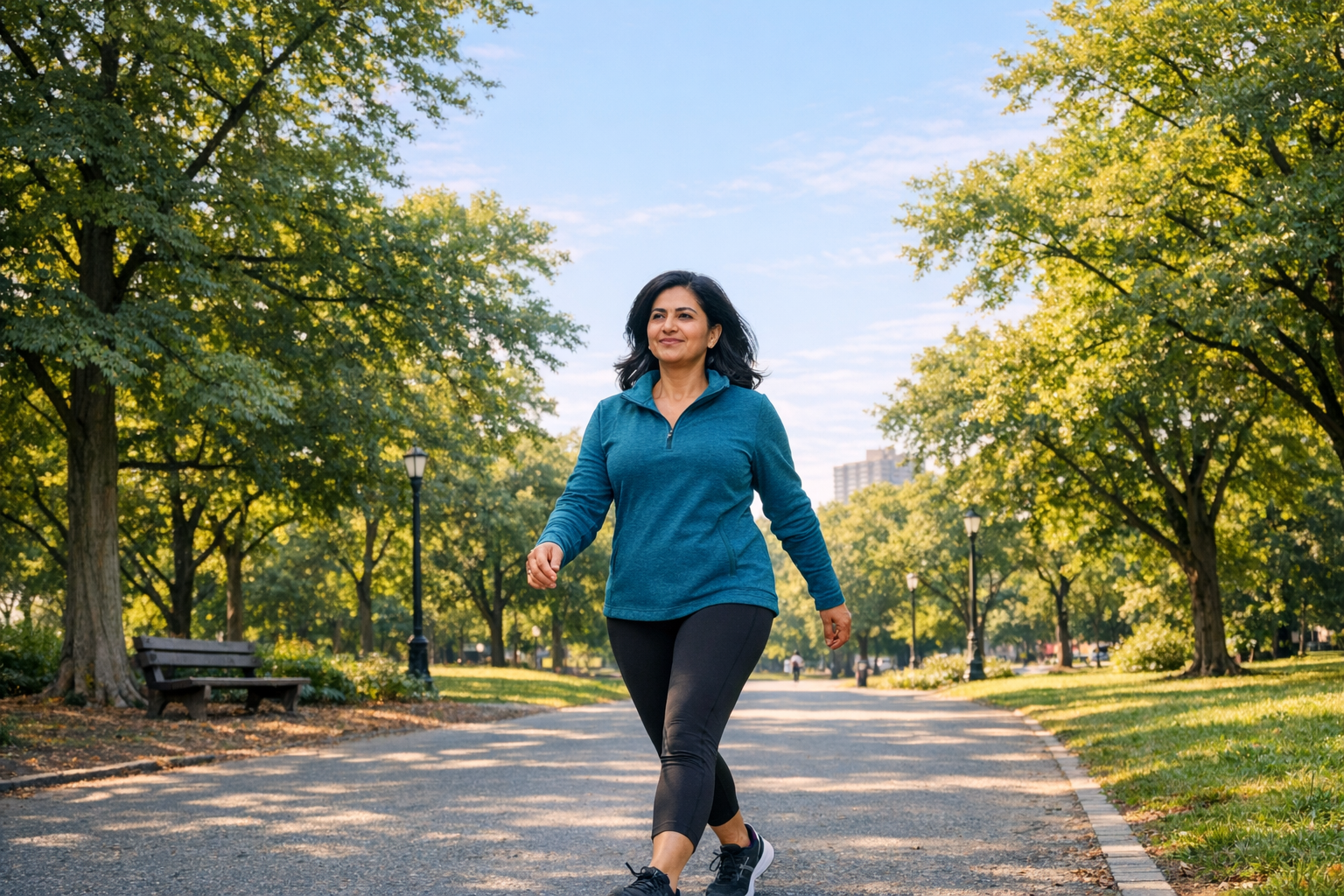
Yes. For most people, 30 minutes of walking a day is absolutely enough to meet recommended exercise guidelines, improve your health, and reduce your risk of chronic disease. It’s not a consolation prize. It’s the real deal.
The CDC recommends 150 minutes of moderate-intensity aerobic activity per week for adults. Do the math: 30 minutes a day, five days a week, gets you there exactly. The World Health Organization agrees, recommending the same 150-minute target. And brisk walking? It counts as moderate-intensity activity.
So if you’ve been wondering whether your daily walk is “enough,” you can stop second-guessing yourself.
What the Science Actually Says
The research on daily walking isn’t just encouraging. It’s pretty overwhelming.
A 2020 study published in JAMA found that people who took 8,000 steps per day (roughly equivalent to 30 minutes of brisk walking plus normal daily movement) had a 51% lower risk of all-cause mortality compared to those taking only 4,000 steps. That’s not a small difference. That’s a massive reduction in your risk of dying from basically anything.
The Mayo Clinic reports that just 21 minutes of walking per day can reduce your risk of heart attack by 30%. So 30 minutes? You’re giving yourself an even bigger buffer.
These benefits aren’t limited to heart health. Regular walking has been linked to lower blood pressure, improved blood sugar regulation, better cholesterol levels, stronger bones, and reduced risk of several types of cancer.
The Mental Health Benefits Are Just as Real
Walking doesn’t just help your body. It does remarkable things for your brain.
Research consistently shows that regular walking reduces symptoms of anxiety and depression, boosts mood, and improves cognitive function. Even a single 30-minute walk can lower stress levels and improve your outlook for the rest of the day. If you’re curious about the details, we’ve written a deep dive on walking for anxiety and depression.
There’s also a creativity angle. Walking increases blood flow to the brain, and studies have shown it can boost creative thinking by up to 60%. So that afternoon walk isn’t just exercise. It might be your best brainstorming session.
Does Walking Speed Matter?
A little, yes.
Not all walks are created equal. A leisurely stroll through the park is better than sitting on the couch, but if you want to hit that “moderate-intensity” threshold the guidelines are talking about, you’ll want to pick up the pace a bit.
Brisk walking (roughly 3 to 4 mph, or about 100 steps per minute) is the sweet spot. You should be walking fast enough that your heart rate is elevated and you’re breathing a bit harder, but you can still carry on a conversation. If you can sing, you’re going too slow. If you can’t talk at all, you’re going too fast.
Curious about finding the right pace? Check out our guide on how fast you should walk for more specific benchmarks.
What About Weight Loss?
Let’s be honest. If your primary goal is significant weight loss, 30 minutes of walking alone might not be enough on its own. But it’s a strong foundation.
A 155-pound person burns roughly 150 calories during a 30-minute brisk walk. Over a week, that’s about 750 calories (walking five days). Over a month, that adds up. Pair it with even minor dietary changes and you’ve got a sustainable, realistic approach to losing weight.
The key word there is sustainable. Extreme workout routines often lead to burnout and injury. Walking is something you can do every single day without wrecking your joints or needing recovery days. That consistency matters more than intensity for long-term weight management.
We’ve covered this in more detail in our post on walking for weight loss.
When 30 Minutes Might Not Be Enough
Fair question. There are some scenarios where you might want to do more:
- You have specific fitness goals. Training for a race, building muscle, or improving athletic performance requires more targeted exercise beyond walking.
- You want to lose weight faster. Adding longer walks, increasing your pace, or incorporating hills and inclines can help you burn more calories. Rucking (walking with a weighted backpack) is another great option.
- You sit for most of the day. If you’re sedentary for 8+ hours, a single 30-minute walk helps but may not fully counteract the effects of prolonged sitting. Try to add movement throughout your day.
- You’re already fit. If you’ve been walking for months and it feels easy, your body has adapted. Time to increase duration, speed, or add some variety.
The CDC also recommends adding muscle-strengthening activities at least two days per week. Walking handles your cardio, but it won’t build upper body strength or maintain muscle mass as you age.
How to Get More Out of Your 30 Minutes
You don’t necessarily need to walk longer. You can walk smarter.
- Walk faster. Even a small increase in pace burns noticeably more calories and provides greater cardiovascular benefit.
- Add hills or inclines. Walking uphill engages your glutes and hamstrings more and significantly increases the intensity.
- Try intervals. Alternate between 2 minutes of brisk walking and 1 minute of power walking (or light jogging). This keeps your heart rate elevated.
- Walk after meals. A post-meal walk helps regulate blood sugar. Check out our guide on the best time to walk for more on timing your walks for maximum benefit.
- Track your progress. Knowing your distance, pace, and consistency helps you stay motivated and see improvement over time. Apps like Vima Walk make this effortless.
The Bottom Line
Thirty minutes of walking a day meets the official exercise guidelines from every major health organization. It reduces your risk of heart disease, diabetes, certain cancers, and premature death. It improves your mood, sharpens your mind, and helps manage your weight.
Is it the only exercise you’ll ever need? Maybe not, depending on your goals. But is it enough to call yourself an active, healthy person? Absolutely.
The best exercise is the one you actually do. And walking is the one almost everyone can do, every day, for the rest of their lives. That’s not a small thing. That’s what happens when you walk every day.
Start with 30 minutes. Make it a habit. Everything else builds from there.
FAQ
Is walking 30 minutes a day enough to lose weight?
Walking 30 minutes a day can contribute to weight loss, especially when combined with a balanced diet. A brisk 30-minute walk burns roughly 100 to 200 calories depending on your weight and pace. It won’t produce dramatic results on its own, but it creates a sustainable calorie deficit over time. Learn more in our guide on walking for weight loss.
How many steps is a 30-minute walk?
A 30-minute walk typically covers about 3,000 to 4,000 steps, depending on your pace and stride length. At a brisk pace (about 100 steps per minute), you’ll hit around 3,000 steps. Combined with your normal daily activity, this can easily get you to 7,000 to 10,000 total steps. For more on step counts, check out how many steps you actually need.
Is walking better than running for exercise?
It depends on your goals. Running burns more calories per minute, but walking is lower impact, easier to sustain, and carries a much lower injury risk. For general health, both are excellent. For longevity and consistency, walking often wins because people actually stick with it. We break this down in walking vs. running: which burns more calories.
Can I split my 30 minutes into shorter walks?
Yes. Research shows that breaking your activity into shorter bouts (like three 10-minute walks) provides similar health benefits to one continuous 30-minute session. The CDC confirms that activity can be spread throughout the day in smaller chunks.
What’s the best time of day to walk?
There’s no single “best” time. Morning walks can boost energy and set a positive tone for the day. Post-meal walks help regulate blood sugar. Evening walks can reduce stress and improve sleep quality. The best time is whatever time you’ll actually do it consistently. Read more in our guide on the best time to walk.