What to Cook When You Don’t Know What to Cook
 Derek Clark
·
·
Updated
Derek Clark
·
·
Updated
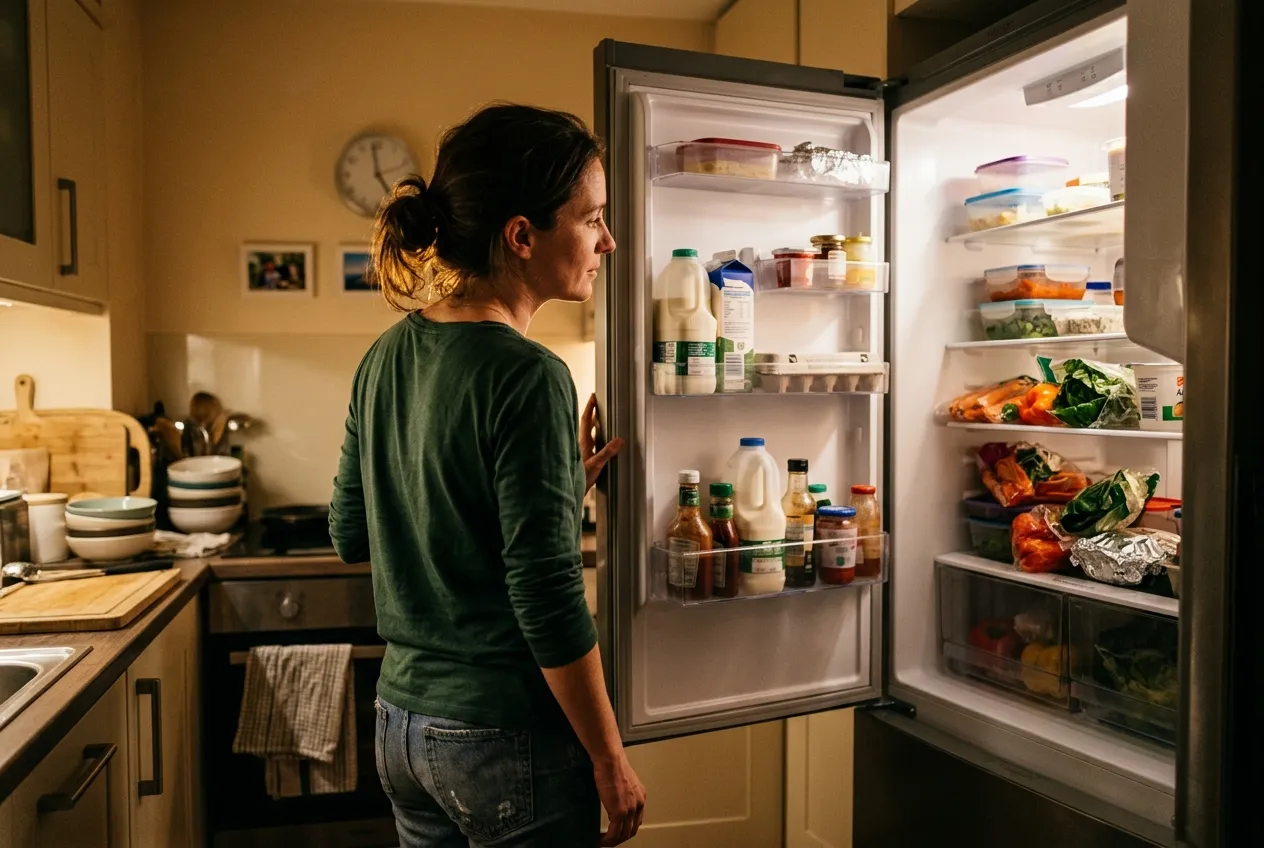
It’s 6pm. The fridge is open. You’re staring at a perfectly reasonable amount of food and feeling absolutely nothing. No ideas, no cravings, no plan. Just a low hum of “ugh” and a growing suspicion that cereal might win again.
If you keep ending up here, you don’t have a cooking problem. You have a deciding problem. Those are different problems, and the second one is way easier to fix.
So this isn’t a recipe list. It’s a framework for what to cook when you don’t know what to cook, built to work on the nights your brain has fully clocked out.
Why Your Brain Goes Blank at 6pm
There’s a name for the blank stare: decision fatigue. It’s the idea that after a full day of choosing things, your ability to keep choosing gets worse. A psychiatrist interviewed by the American Medical Association puts the number of decisions an average adult makes at roughly 35,000 a day. By dinnertime, you’ve spent most of them.
And dinner isn’t one more decision. It’s a stack of them. What sounds good? What’s actually in the fridge? What expires soon? How long will it take? Will anyone else at the table eat it? Each question is small. Together they’re a wall.
The Cleveland Clinic lists procrastination, feeling paralyzed, and impulsive choices among the signs of decision fatigue, which describes the fridge stare followed by a delivery order with uncomfortable accuracy. There’s food-specific research too. A 2025 review found that decision fatigue tends to push people toward more impulsive, less health-conscious food choices. To be fair, some researchers question how strong the effect really is. But you don’t need a journal to tell you that choosing feels harder at 6pm than it did at 10am.
The good news is the fix isn’t more willpower. It’s fewer decisions. Experts at both the AMA and Cleveland Clinic recommend the same basic move: build routines that put low-stakes choices on autopilot. Dinner is the perfect candidate.
Step 1: Stock Staples That Always Add Up to a Meal
You can’t make a good decision from an empty fridge. But you also don’t need a stocked-to-the-ceiling pantry. You need four categories covered at all times.
- A protein that keeps. Eggs, canned beans, canned tuna, frozen chicken thighs, tofu.
- A starch. Rice, pasta, tortillas, potatoes, bread worth toasting.
- Something green (frozen absolutely counts). Frozen peas, frozen broccoli, bagged spinach.
- Flavor. Olive oil, garlic, onions, soy sauce, canned tomatoes, hot sauce, a chunk of parmesan, and one or two spice blends you actually like.
If those four categories are stocked, you’re never more than 20 minutes from dinner. Beans and rice with hot sauce. Tuna pasta with garlic and olive oil. Fried rice with peas and an egg on top. Quesadillas. Eggs on toast with wilted spinach.
None of that is restaurant food. All of it is dinner. Restock the categories when they run low, not when you have a plan, and the plan stops being necessary.
Step 2: Build a Rotation of 5 Go-To Meals
You probably already eat a smallish set of meals on repeat. Most households do. The trick is making it official, because a default you’ve written down is a decision you don’t have to make.
Building your rotation takes about ten minutes. Think back over the last month and pick five meals that clear three bars. Everyone in your house will eat them. Each one takes 30 minutes or less. And each one leans on your staples, so the ingredients are usually just there.
That’s it. Five meals. Monday through Friday, the answer to “what’s for dinner” defaults to whichever one you haven’t had most recently. Save the new recipes and ambitious cooking for weekends, or for whenever the energy actually shows up.
Two things make the rotation stick. First, write it down somewhere you’ll see it, because a list you have to remember is just another decision. If your go-to meals currently live in screenshots, browser tabs, and a stained index card, give them one home. An app like Vima Recipes keeps your rotation and saved recipes in one place, so the 6pm question becomes a two-tap answer instead of a stare-down. Second, repeat meals pay off beyond dinner itself. If you track what you eat, cooking the same homemade meals makes logging them dramatically easier too.
Step 3: Use the Decision Tree (Protein, Method, Flavor)
Some nights you’re off script. The rotation doesn’t sound good, or you’re missing an ingredient. For those nights, replace one giant open-ended question with three tiny ones.
First, protein. Look at what you have. Eggs, chicken, ground beef, beans, tofu, a can of tuna. Pick one. This is the anchor decision, and it narrows everything else.
Second, method. Pan, oven, or pot. A pan means a stir fry, a scramble, tacos, or a quick saute. The oven means a sheet pan of protein and vegetables you mostly ignore for 25 minutes. A pot means soup, chili, or a pasta situation.
Third, flavor. Pick a lane and commit. Soy sauce, garlic, and ginger. Canned tomatoes and parmesan. Cumin, chili powder, and lime. Olive oil, lemon, and whatever herbs are alive.
Chicken, sheet pan, cumin and lime. Eggs, pan, soy and garlic over rice. Beans, pot, tomatoes and chili powder. Three small choices and dinner designs itself. “What’s for dinner” is a terrible question because it has infinite answers. “Which of these three proteins” has three.
As a bonus, a protein plus a vegetable plus a starch is most of what a balanced plate needs anyway. If you want the simple version of that logic, we’ve written about building a healthier diet in three steps.
Cook From What You Have, Not the Plan You Made Sunday
Meal planning works great until Wednesday. Then someone has practice, lunch ran late, and the salmon you planned is still frozen. If your system depends on executing a seven-day plan perfectly, one weird day breaks the week.
So flip the direction. Instead of shopping for a plan, keep the staples stocked and cook from inventory. Open the fridge, find the thing that expires soonest, and run it through the decision tree. Fridge-first cooking wastes less food, and it keeps you cooking at home more often, which matters more than it sounds. Research from Johns Hopkins found that people who cooked dinner six or seven nights a week consumed fewer calories, less fat, and less sugar than people who rarely cooked. Interestingly, the frequent cooks even ate fewer calories on the occasions when they did eat out.
And on the nights takeout wins anyway? Fine. Zero guilt. It happens to everyone, and there are easy ways to keep tabs when you’re eating out without ruining the meal.
Lower the Bar: Eggs for Dinner Is Dinner
One more thing, and it might be the most important part of the whole framework. The bar for a weeknight dinner is “people got fed something reasonable.” That’s it. Not impressive. Not photogenic. Fed.
Scrambled eggs and buttered toast is a real dinner. According to Harvard Health, one large egg carries about 6 grams of high-quality protein with all nine essential amino acids, for roughly 70 calories. Two or three eggs, some toast, maybe a handful of spinach wilted in the pan? That’s protein, carbs, and a vegetable in under ten minutes. Plenty of restaurant brunches charge $16 for the same thing.
Perfectionism is what sends people from “I don’t know what to cook” straight to the delivery app. Lowering the bar keeps you cooking. A quesadilla counts. A baked potato with beans and cheese counts. Breakfast at 6:30pm absolutely counts.
You don’t need to become a meal prep person or learn 40 recipes. Stock the staples, write down your five, and when in doubt, run the tree. The blank stare doesn’t stand a chance against a system that small.
FAQ
What should I cook when I have zero energy?
Go straight to the bottom of the effort scale. Eggs on toast, a quesadilla, beans and rice with hot sauce, or pasta with olive oil, garlic, and parmesan. Every one of these takes 20 minutes or less from stocked staples. Low-effort cooking is still cooking, and it beats staring at the fridge for another ten minutes.
How do I stop wasting so much time deciding what’s for dinner?
Move the decision away from 6pm. Pick from your five-meal rotation at lunch, when your brain is fresher, or default to whichever rotation meal you’ve had least recently. Decision fatigue builds through the day, so a choice made early feels easy and the same choice made at 6pm feels impossible.
What pantry staples make the fastest meals?
Cover four categories: a protein that keeps (eggs, canned beans, canned tuna, frozen chicken), a starch (rice, pasta, tortillas), a frozen or hardy vegetable (peas, broccoli, spinach), and flavor builders (olive oil, garlic, soy sauce, canned tomatoes, hot sauce). Any combination of those four gets you dinner in about 20 minutes.
Is it unhealthy to eat the same meals every week?
Not the way most people do it. A rotation of five meals that each include a protein, a vegetable, and a starch covers your bases fine, especially if you swap ingredients with the seasons. Boredom is the bigger risk, and the fix is simple: keep the rotation for weeknights and try new recipes when you have time and energy to enjoy them.

Derek Clark
Co-founder of Vima Fitness. Building simple, privacy-focused fitness apps for iPhone and Apple Watch since 2011. Runner, cyclist, and firm believer that fitness apps shouldn't need a tutorial.