How to Organize Your Recipes So You Actually Cook Them
 Derek Clark · · Updated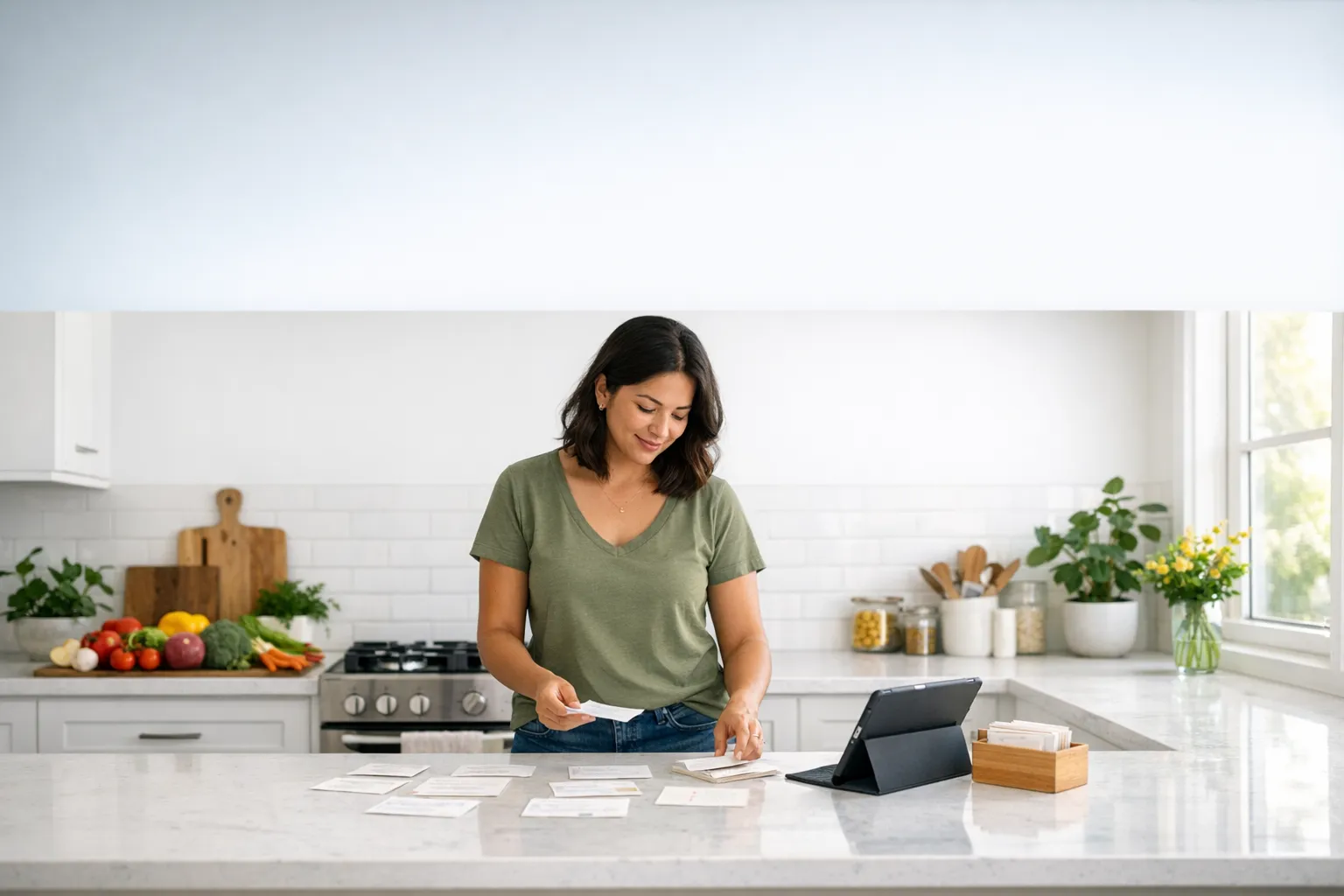
You’ve got recipes everywhere. Bookmarked Instagram posts you’ll never scroll back to. Screenshots buried in your camera roll. Tabs open from three weeks ago that you keep telling yourself you’ll get to. And that one Pinterest board with 400 pins you’ve looked at exactly zero times since saving them.
If you want the full breakdown, see How to Digitize Handwritten Family Recipes (Step by Step).
You’re not lazy. You just don’t have a system.
The gap between “ooh, that looks good” and actually making it for dinner is where most recipes go to die. But it doesn’t have to be that way. A little structure turns that graveyard of saved recipes into meals you actually eat.
We wrote a dedicated post on this: How to Save Recipes from TikTok and Instagram (Before You Lose Them).
Why Your Recipe Collection Is a Mess (And Why It Matters)
Here’s what usually happens. You’re scrolling, you see something delicious, you hit save. Maybe you screenshot it. Maybe you send it to yourself in a text message (we’ve all done it). Then you forget about it. Next week you’re staring at the fridge asking the same question you always ask: “What should I make?”
This isn’t just a minor inconvenience. Research published in the International Journal of Behavioral Nutrition and Physical Activity found that people who plan their meals have better diet quality and are less likely to be overweight. Planning starts with knowing what recipes you have and being able to find them when you need them.
The problem isn’t that you don’t have enough recipes. It’s that you can’t access the right one at the right moment.
Pick One Place for Everything
This is the most important step, and most people skip it. You need a single home for your recipes. Not three apps, not a combination of screenshots and bookmarks and a physical binder. One place.
Your options:
- A recipe app (like Recipe Organizer by Vima, Paprika, or Mela) that lets you import from URLs, add your own, and search
- A notes app with folders (Apple Notes, Google Keep, Notion)
- A physical binder with printed or handwritten recipes (old school, but it works)
The best choice is whatever you’ll actually use. A fancy app you never open is worse than a messy notes folder you check every day.
Once you pick your spot, spend 20 minutes doing a recipe roundup. Go through your screenshots, bookmarks, saved posts, and texts. Move everything worth keeping into your one place. Delete the rest. Be ruthless. That complicated beef bourguignon you saved because it looked pretty? If you know you’ll never make it on a Tuesday night, let it go.
Organize by Effort, Not by Ingredient
Most people organize recipes by category (chicken, pasta, salads) or by meal type (breakfast, lunch, dinner). That’s fine, but it misses the most important variable: how much energy do you have?
We wrote a dedicated post on this: The Best Way to Store Recipes Digitally (A Complete Guide).
Try organizing by effort level instead:
- 15 minutes or less (sheet pan meals, stir fries, grain bowls)
- 30 minutes (most weeknight dinners)
- Weekend projects (slow cooker, braises, anything that takes over an hour)
On a Wednesday when you’re exhausted, you don’t want to browse through 50 recipes hoping to find one that’s quick. You want to open your “15 minutes” folder and pick from a curated list.
You can still tag by protein or cuisine if your system allows it. But effort level as the primary sort is a game changer.
Build a Rotation of 7 to 10 Go-To Meals
You don’t need hundreds of recipes for a well-fed week. You need a short list of meals you can make almost on autopilot. These are your rotation meals. They should be:
- Easy enough that you don’t need to look at the recipe anymore
- Made from ingredients you usually have (or can grab quickly)
- Things you actually enjoy eating (not just “healthy” meals you tolerate)
Write these down. Put them on your fridge, in your phone, wherever you’ll see them. When you don’t know what to cook, start here.
Our guide What to Cook When You Don’t Know What to Cook goes into this in more detail.
Most families and individuals end up eating the same 10 to 15 meals on repeat anyway. The difference between people who cook regularly and people who don’t is that regular cooks have their rotation clearly defined. They don’t have to think about it every night.
Try One New Recipe Per Week (Maximum)
Here’s where people get tripped up. They find a new recipe and try to overhaul their entire week. Three new dishes at once, new ingredients, unfamiliar techniques. By Wednesday they’re burned out and ordering pizza.
One new recipe per week is plenty. Pick a night that works (Sunday is popular, but it doesn’t have to be). Shop for the specific ingredients. Give yourself extra time. If it goes well, add it to your rotation. If not, no big deal.
The Harvard T.H. Chan School of Public Health recommends keeping a running list of recipes and rotating in new options gradually. This keeps things interesting without overwhelming your week.
Over a year, that’s 52 new recipes tried. Even if only half make the cut, you’ve added 26 solid meals to your repertoire without ever feeling stressed about it.
Connect Your Recipes to a Simple Meal Plan
Organizing recipes is step one. The second piece is connecting those recipes to actual days. You don’t need a detailed plan for every meal (that’s a fast track to burnout). But a loose framework helps.
A simple version:
- Monday: Something from the rotation (quick)
- Tuesday: Leftovers from Monday (batch cooking for the win)
- Wednesday: Another rotation meal
- Thursday: Try the new recipe of the week
- Friday: Easy night (eggs, sandwiches, takeout, no judgment)
That’s it. No spreadsheet. No color-coded calendar. Just a rough idea of what’s happening each night so you can shop once and know you’re covered.
Research from a worksite weight loss study found that people who planned meals more frequently lost more weight than those who didn’t. The planning itself isn’t magic. It just removes the nightly decision fatigue that leads to takeout.
Make Your Grocery List From Your Plan (Not the Other Way Around)
Most people browse the grocery store and then figure out what to make. Flip that. Look at your 4 to 5 meals for the week, write down what you need, and shop from the list.
This does three things:
- You buy less random stuff that goes bad in the fridge
- You spend less money (impulse buys are expensive)
- You actually have the ingredients when it’s time to cook
If you’re tracking what you eat for health or weight goals, this step makes calorie tracking way easier too. When you know exactly what went into a meal because you planned and prepped it, logging takes seconds instead of guesswork. Tools like AI Calorie Tracker can snap a photo of your home-cooked plate and estimate the macros, which works best when you know exactly what you put in it.
The System That Actually Sticks
Let’s be real. The best organization system is the one you maintain. If you set up a beautiful Notion database with tags and ratings and cook times but never update it, it’s useless.
Start small:
- Pick one place for recipes
- Move your top 10 favorites there
- Sort by effort level
- Plan loosely for the week
- Add one new recipe weekly
That’s the whole system. You can get fancier later if you want, but this gets you cooking more with less stress. And cooking more at home is one of the simplest things you can do for your health, your budget, and honestly, your sanity.
Frequently Asked Questions
What’s the best app for organizing recipes?
It depends on what you need. If you want something simple that lets you import from URLs and organize by categories, a dedicated recipe app works well. Apple Notes or Google Keep are free options that work fine too. The best app is whichever one you’ll open regularly.
How many recipes should I have saved?
Quality matters more than quantity. A rotation of 7 to 10 go-to meals plus 15 to 20 “sometimes” recipes is more than enough for most people. If you have hundreds saved, it might be time to delete the ones you know you’ll never make.
How do I stop saving recipes I’ll never cook?
Before saving, ask yourself two questions: “Do I have (or would I buy) the ingredients for this?” and “Would I realistically make this on a weeknight?” If both answers aren’t yes, skip it. You can always search for it again later if you really want it.
Does meal planning actually help with weight loss?
Research suggests yes. Studies have found that people who plan meals tend to have better diet quality and are less likely to be overweight. It’s not the planning itself that causes weight loss, but it reduces the impulse decisions (takeout, snacking, oversized portions) that add up over time.
How far ahead should I plan meals?
Most people do well planning 3 to 5 days ahead. A full week works too, but leave a flexible night or two for leftovers, eating out, or just not feeling like cooking. Over-planning leads to food waste and guilt when you don’t follow through.

Derek Clark
Co-founder of Vima Fitness. Building simple, privacy-focused fitness apps for iPhone and Apple Watch since 2011. Runner, cyclist, and firm believer that fitness apps shouldn't need a tutorial.